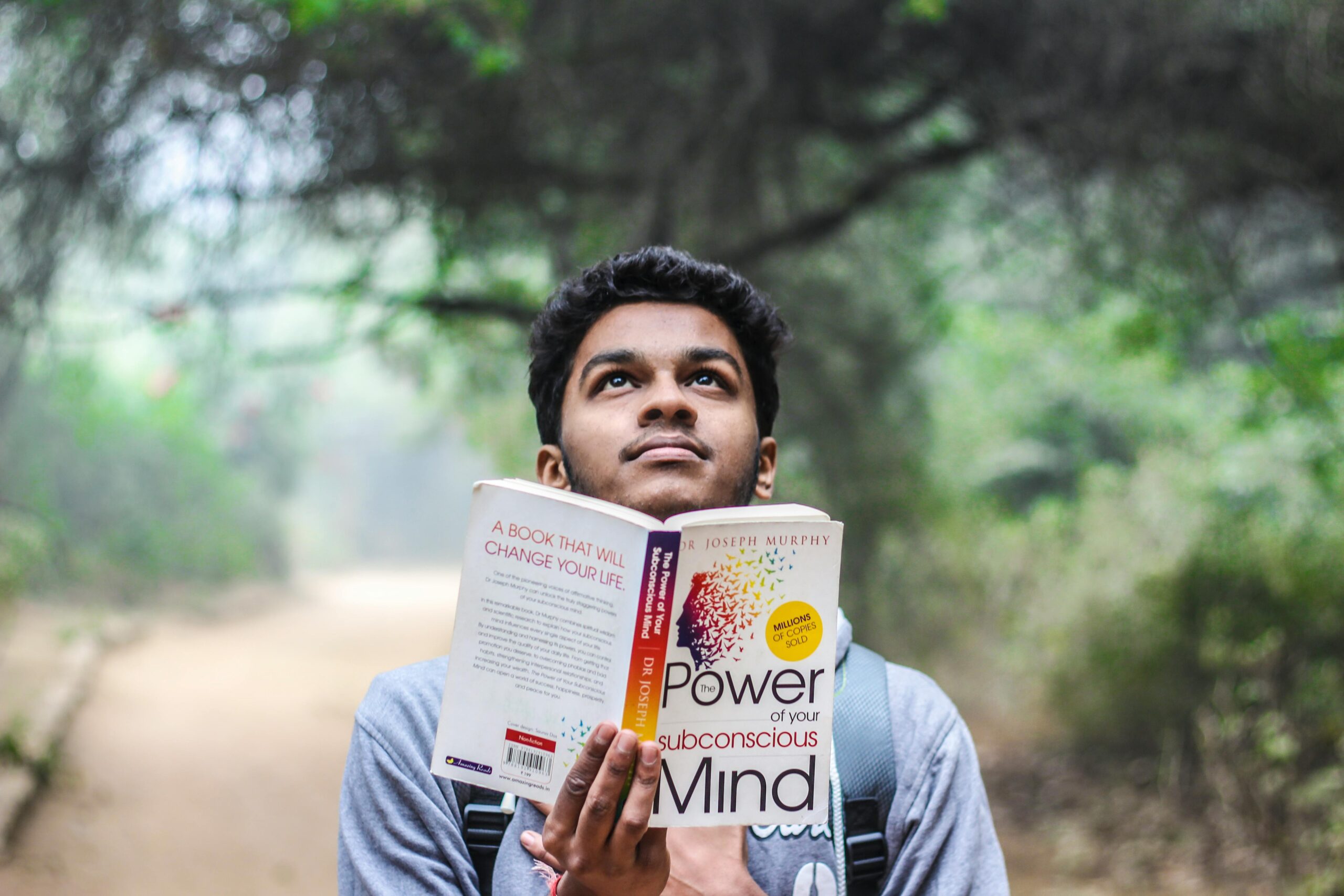
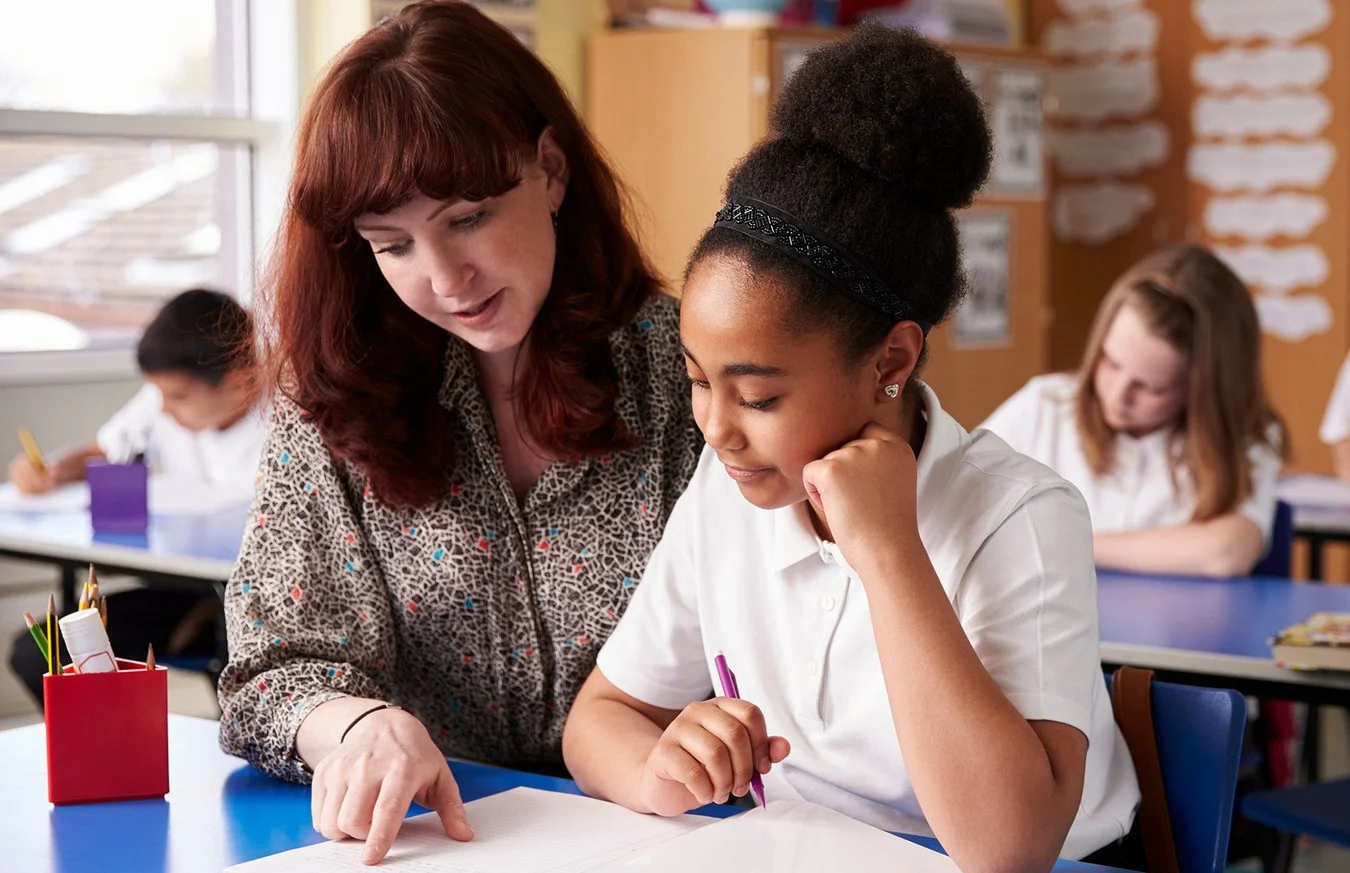
Education is one of the most fundamental aspects of human life. It shapes individuals, societies, and entire nations. Beyond acquiring knowledge, education fosters critical thinking, personal development, and societal growth. It is the foundation upon which civilizations thrive, creating opportunities and empowering individuals to contribute meaningfully to the world. Understanding why education is essential and its overarching purpose helps in appreciating its impact on both personal and collective progress.
The Importance of Education
1. Empowering Individuals
Education equips people with knowledge and skills that empower them to make informed decisions in life. Literacy and numeracy, for example, enable individuals to read, write, and solve mathematical problems, which are essential in daily tasks. Beyond basic education, higher learning and specialized training open doors to numerous career paths, allowing people to secure better jobs and improve their quality of life.
2. Enhancing Critical Thinking and Problem-Solving Skills
An educated mind is not just filled with facts but is trained to analyze situations, evaluate possibilities, and make reasoned choices. Education nurtures critical thinking skills, enabling individuals to approach challenges methodically. In a rapidly changing world, problem-solving skills are indispensable, helping individuals navigate complex issues in their personal and professional lives.
3. Contributing to Economic Growth
A well-educated population is a key driver of economic development. Countries with higher literacy rates often experience faster economic growth as educated individuals contribute to various industries through innovation, entrepreneurship, and productivity. Education fosters a skilled workforce, attracting investments and creating employment opportunities that boost a nation’s economy.
4. Promoting Social Equality and Inclusion
Education is a powerful tool in reducing social inequalities. It provides individuals, regardless of their background, with an equal opportunity to succeed. When education is accessible to all, it helps bridge the gap between different socio-economic classes, promoting social mobility and reducing poverty. Furthermore, education fosters inclusivity, ensuring that marginalized groups, such as women and minorities, have a voice and a role in society.
5. Encouraging Civic Responsibility and Social Harmony
Educated individuals are more likely to participate in civic duties such as voting, engaging in community activities, and advocating for positive societal changes. Education instills values such as tolerance, respect, and empathy, which are essential in maintaining social harmony. It also helps in reducing crime rates as educated individuals are more likely to find legal and productive ways to support themselves.
6. Advancing Science and Technology
Education fuels scientific discoveries and technological advancements. From medical breakthroughs to space exploration, educated minds drive progress in various fields. Without education, society would struggle to innovate and adapt to new challenges, limiting human potential and development.
7. Improving Health and Well-Being
There is a strong correlation between education and health. Educated individuals tend to make healthier lifestyle choices, such as proper nutrition, exercise, and preventive healthcare. Education also helps in understanding public health concerns, reducing the spread of diseases, and increasing life expectancy. Mothers with higher levels of education, for instance, are more likely to provide better healthcare and nutrition to their children.
The Purpose of Education
Education serves multiple purposes, each contributing to personal growth and societal progress. Understanding these purposes helps in appreciating its significance and designing effective educational systems.
1. Knowledge Acquisition and Intellectual Growth
The most immediate purpose of education is to provide knowledge. From basic subjects such as mathematics and science to advanced disciplines like philosophy and economics, education broadens the intellectual horizons of individuals. It enables people to understand the world around them, ask questions, and seek answers, fostering a lifelong pursuit of learning.
2. Personal Development and Self-Discovery
Education is not just about academics; it is also about personal growth. Through exposure to various subjects, experiences, and perspectives, individuals discover their interests, talents, and aspirations. Education encourages self-awareness and personal development, helping people build confidence and a sense of identity.
3. Preparing for the Workforce
One of the practical purposes of education is to prepare individuals for careers. Schools, colleges, and vocational institutions provide training that equips students with the necessary skills for different professions. Whether one aspires to be a doctor, engineer, artist, or entrepreneur, education lays the foundation for professional success.
4. Cultivating Ethical and Moral Values
Education shapes the moral compass of individuals by instilling values such as honesty, integrity, and responsibility. Ethical education is crucial in fostering good citizens who contribute positively to society. Schools teach students about the consequences of their actions and the importance of making ethical decisions in personal and professional life.
5. Encouraging Creativity and Innovation
A significant purpose of education is to stimulate creativity and innovation. Through arts, sciences, and humanities, students are encouraged to think outside the box and explore new ideas. Many of the world’s greatest inventions and discoveries have come from individuals who were inspired and guided by their education.
6. Fostering Global Citizenship and Cultural Understanding
Education promotes cultural awareness and global understanding. In an interconnected world, it is crucial for individuals to appreciate different cultures, traditions, and perspectives. Education teaches tolerance, respect, and open-mindedness, fostering peaceful coexistence and collaboration on a global scale.
7. Building Stronger Communities and Nations
An educated population contributes to the stability and progress of communities and nations. Education helps in forming knowledgeable leaders, responsible citizens, and innovative thinkers who work towards building a better society. It encourages active participation in governance, social justice movements, and community development.
Conclusion
Education is the cornerstone of personal and societal advancement. Its importance spans across various aspects of life, including economic growth, social equality, health, and technological progress. The purpose of education goes beyond acquiring knowledge; it shapes character, nurtures creativity, and prepares individuals for meaningful contributions to society. Investing in education is investing in the future, ensuring that individuals and communities continue to evolve, prosper, and create a better world for future generations.
Understanding why education is essential and its true purpose allows us to appreciate its role in shaping individuals and societies. Education remains the most powerful tool for change, empowerment, and progress, making it a lifelong journey that benefits everyone.